

Most companies begin AI adoption in a similar way. A few enthusiastic employees try out tools like Claude or ChatGPT and see great results in their own work. Leadership notices, praises them as champions and asks them to share their insights. Meanwhile, other teams listen politely but keep working as usual.
I saw this happen in my own company 18 months ago. Some engineers and marketers achieved real, impressive results with AI tools. But when we tried to expand this success to other teams, we ran into problems. We encountered resistance, skepticism and polite refusals to adopt.
I made a common leadership mistake by assuming that increased exposure to early adopters would encourage broader adoption. However, the enthusiasts operated more like a hobby club, and other teams remained disengaged.
A different approach
Two things made me rethink my approach. First, I noticed our competitors were releasing new features two or three times faster than before. Some went from quarterly to monthly releases, others from monthly to weekly. This shift happened quickly. Competitors weren’t necessarily smarter or in possession of bigger budgets, but they understood that AI changes how software is built and reorganized their teams to keep up.
Second, I noticed that our customers were starting to expect AI features we hadn’t built yet. We only had 12–18 months to catch up. At this point, it wasn’t just about productivity anymore. It was about survival.
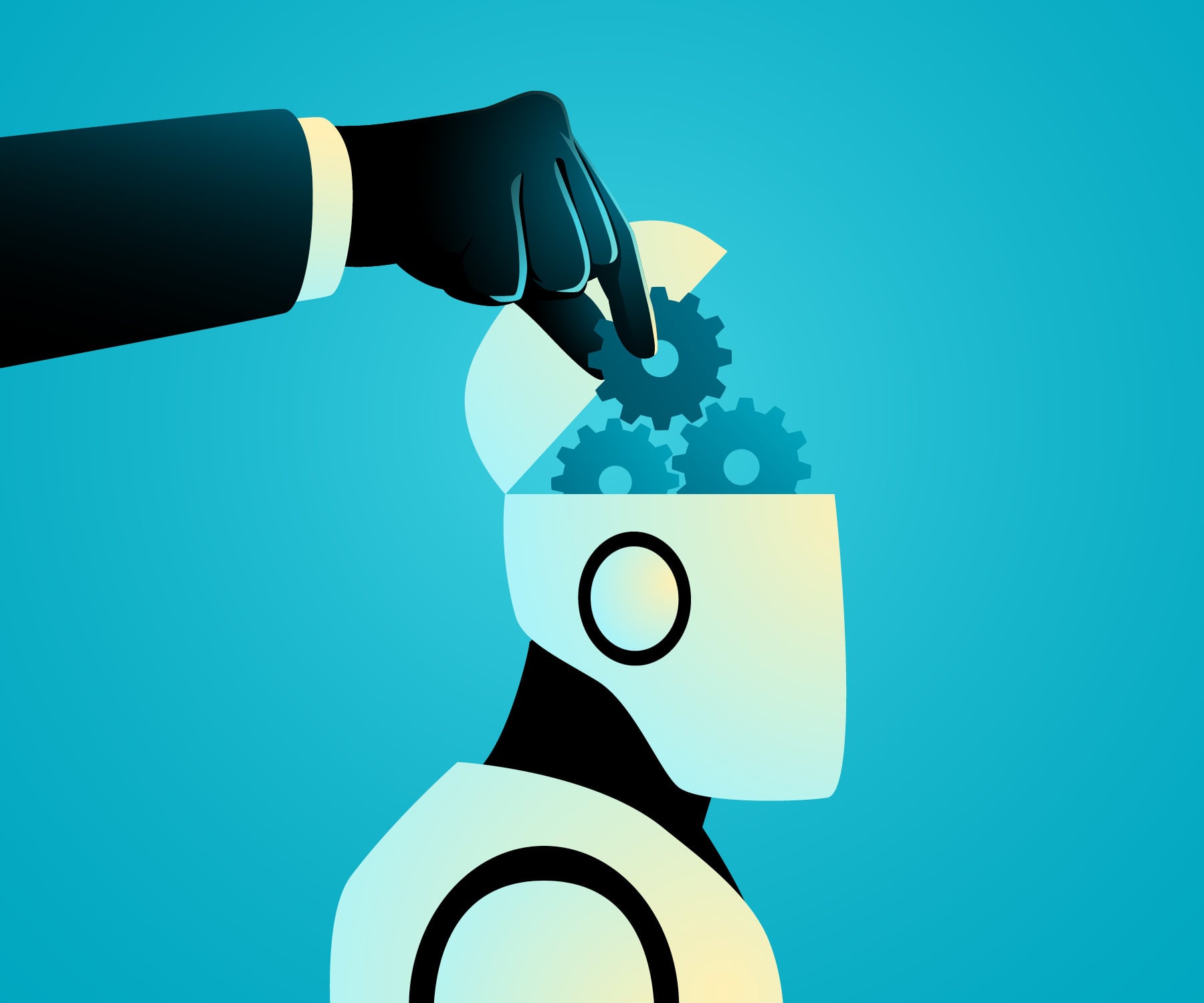
Choosing the right tools is a strategic decision that will influence your team’s work for years.
That’s when I stopped leaving AI adoption to IT and HR. Most CEOs give this job to a head of AI or their CIO. I think that’s a mistake. You can’t hand off that decision to someone who doesn’t fully understand your business.
Choosing the right tools is a strategic decision that will influence your team’s work for years. After testing various options, I selected Claude for the entire company.
Systematic rollout
We began with 30 people in early 2026, chosen from various departments, not just enthusiasts. The rollout was slower than expected. Teams resisted for months, requiring careful handling instead of forcing change. What finally lowered resistance was building systems that demonstrated the value of AI to skeptics, not just exciting enthusiasts.
Before we scaled beyond the pilot, we set up the legal and security basics: corporate AI accounts with simple sign-on, audit logs, data processing agreements, disabled training on company data and an approved tools registry. Without these, every adoption conversation gets stuck on security concerns. After setting the base, we shifted the conversation from, “Should we use this at all?” to “How do we use this well?”
We set clear rules for internal AI tools. Teams could build small tools quickly, but we specified which data they could use, what needed IT review and what could be launched without it. This kept AI use under control while still letting teams experiment.

What finally lowered resistance was building systems that demonstrated the value of AI to skeptics, not just exciting enthusiasts.
We chose champions based on authority, not just enthusiasm. Unlike typical programs that pick excited volunteers, we selected trusted team leads. When a respected lead shares an AI workflow, others listen. If a junior employee does the same, it often gets ignored, no matter how good it is.
We brought in outside experts for our toughest area: engineering, especially with old codebases. Their goal was clear: get 70 percent of our code AI-assisted by the end of the year. I believe getting outside help isn’t a weakness; it simply means you know when you need skills you don’t have in-house.
We communicate our progress honestly. After 18 months, about 80 percent of our team uses corporate Claude, and we have around 20 champions in different areas. Several AI-native products are in development. We’re not as far along as I hoped, but we’re ahead of most companies our size. Being open about slower progress actually builds trust.
What stopped the resistance
Skeptics were not persuaded by motivational messages or demonstrations. Their perspective shifted when three key changes occurred simultaneously.
Managers began evaluating performance based on results rather than activity. Previously seen as additional work, using AI became recognized as an effective shortcut.
They observed respected colleagues using AI thoughtfully. Authority proved more influential than enthusiasm.
Clear guidelines clarified what was permitted. Previously, uncertainty about consequences had hindered experimentation as much as skepticism.
Now, even our strongest AI skeptics use Claude regularly. This change happened because the environment made adopting AI a sensible and secure option.
Most AI rollouts fail because companies treat them as productivity projects run by IT or HR. They get budgets, plans and dashboards full of activity metrics, but they don’t actually change how the company works.

Most AI rollouts fail because companies treat them as productivity projects run by IT or HR.
A true AI-first transformation changes every function, workflow and decision process. It needs ongoing CEO involvement, not delegation. CEOs must test tools themselves, not just rely on vendor briefings. Build infrastructure before scaling. Choose champions for their authority, not just their excitement. Be honest about progress instead of hiding behind metrics.
CEOs who do this well won’t just have flashy AI demos next year. They’ll see real, measurable changes in how their companies work. Those who delegate this decision will end up explaining to their boards why their hobby clubs didn’t lead to real transformation.


