

There’s a fine balance to be struck in the home care sector between business acumen and trust among clients’ families. Both must be present and in great shape to provide the best possible in-home care to those who need it most.
Walking that line for Prestige Inhome Care is Group CEO Mark O’Brien, who has brought operating discipline to a company with two decades’ worth of trust under its belt. His work has given it a new level of esteem and earned him a highly commended honor in the Healthcare category at The CEO Magazine’s 2026 Executive of the Year Awards – Australia.
“I’m most proud of leading Prestige through the hardest year home care has seen and growing through it,” O’Brien says. “Prestige had grown complicated through acquisition and was facing a funding model – Support at Home – that nobody had operated under before. I rebuilt our revenue operations for the new claiming model and restructured the executive team and simplified the organization.”
If cleaning house was O’Brien’s first point of order, turning that house into a home came second. The industry is still adjusting to the Australian government’s Support at Home program, which replaced the previous funding model in November 2025. He says this reform changed the home care landscape almost overnight.
“It changed how every provider is paid, and the industry’s leading financial benchmark recorded the sector’s first negative quarterly operating result, so consolidation is no longer a prediction,” he says.
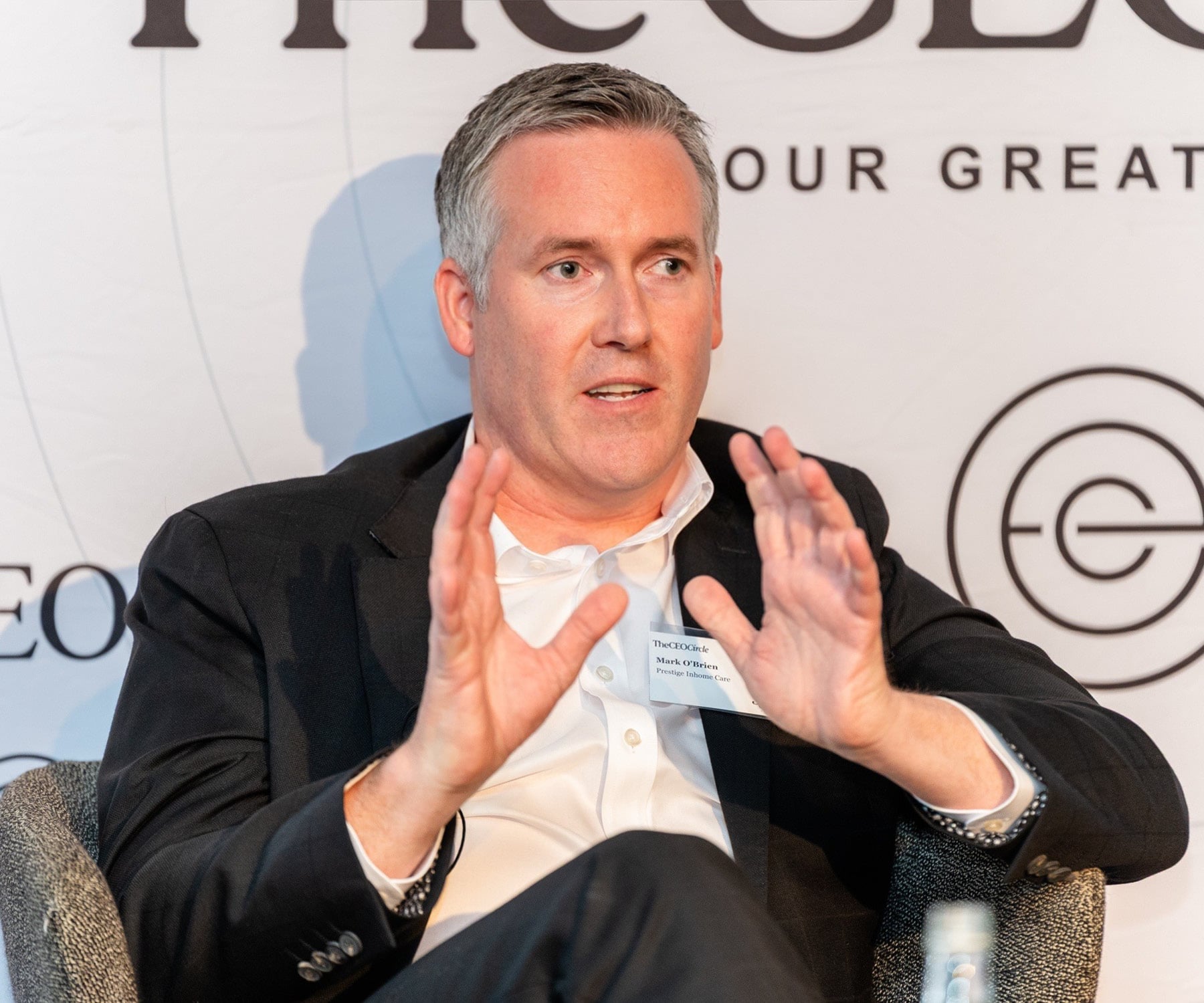
“Around 200,000 older Australians are still waiting for an assessment or for the level of care they’ve been approved for.”
The program’s introduction coincided with O’Brien’s appointment to the Group CEO role and was one of three areas of focus he immediately got to work on. The second was unmet demand.
“Around 200,000 older Australians are still waiting for an assessment or for the level of care they’ve been approved for, and families are increasingly funding care themselves,” he says.
“The third is acuity, as hospitals need patients home sooner and people want to stay there, including at the end of life.”
Under O’Brien’s leadership, Prestige Inhome Care, already a leading provider of in-home aged care and disability support services, is now positioned against all three.
“I’m building the scale to continue to over-invest in clinical governance and technology that smaller providers can’t afford, and I launched Prestige Platinum so families have a private option that doesn’t depend on a government queue,” he reveals.
A foundation of care
The son of a personal care assistant, O’Brien has a deep and earned understanding of the industry.
“I grew up listening to my mother talk about the people she cared for by name, which of them had no family coming that week, which ones would only let her help them shower,” he recalls.
“It taught me long before I ran anything that a home care provider is really a set of relationships between carers and clients, and everything else is scaffolding.”
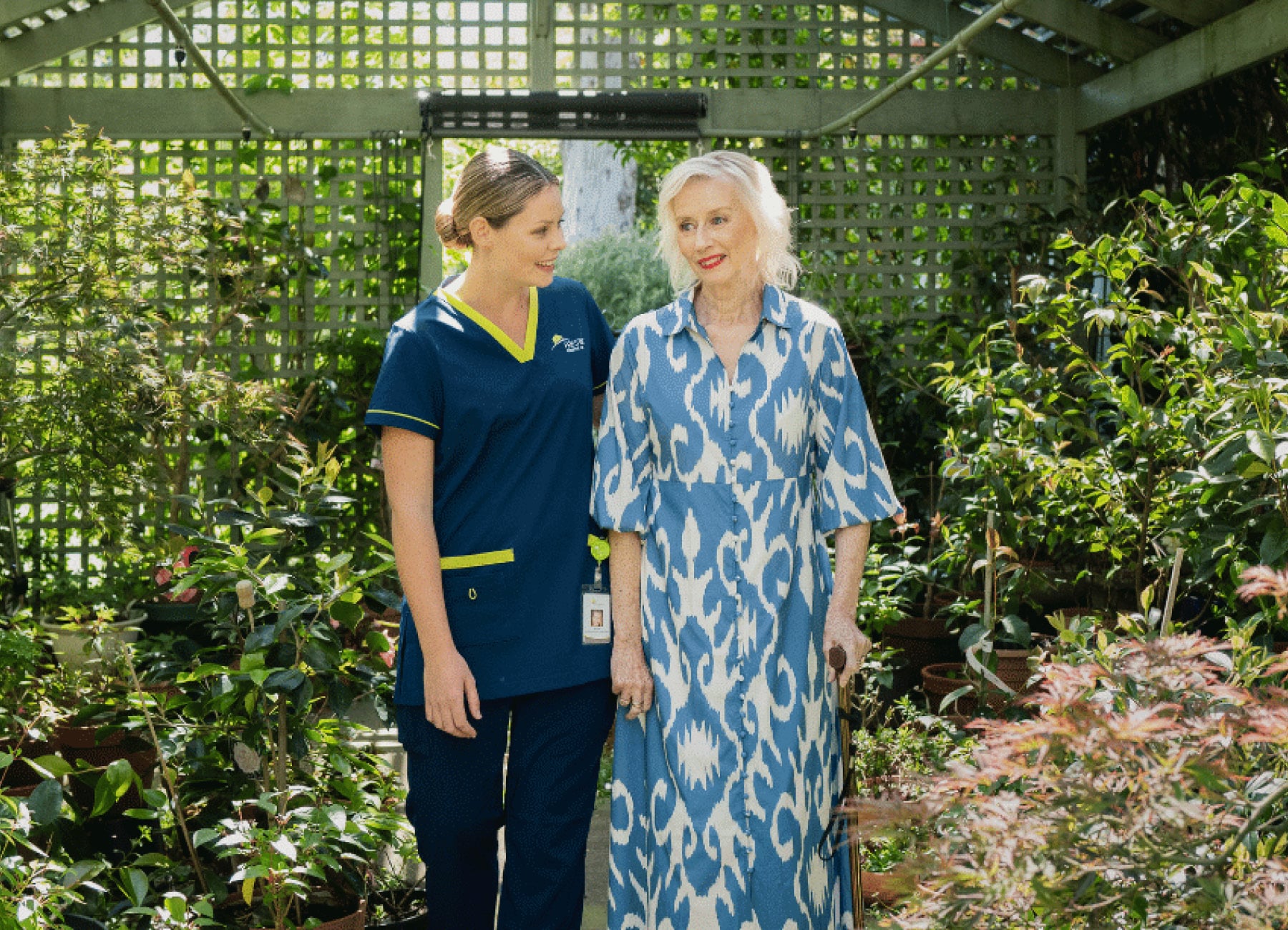
“A home care provider is really a set of relationships between carers and clients, and everything else is scaffolding.”
Much of Prestige Inhome Care’s workforce is made up of people who work alone.
“More than 1,000 of our people, 90 percent of them women, deliver care in clients’ homes with nobody watching, so the values have to be ones a carer can use in a lounge room,” he notes.
To enhance the company’s culture, O’Brien established working groups to relieve the pressure points he identified.
“I’d rather lead a culture that surfaces problems than one that looks good on a survey,” he says.
Authenticity always
As a leader, O’Brien aims to be the same person in the boardroom, the lunchroom and a client’s lounge room.
“People can tell when a leader is performing and when things are tough, they won’t follow a performance,” he says.
“I tell my board what it needs to hear, I front our people with the truth during change and I make hard calls on performance with dignity.”
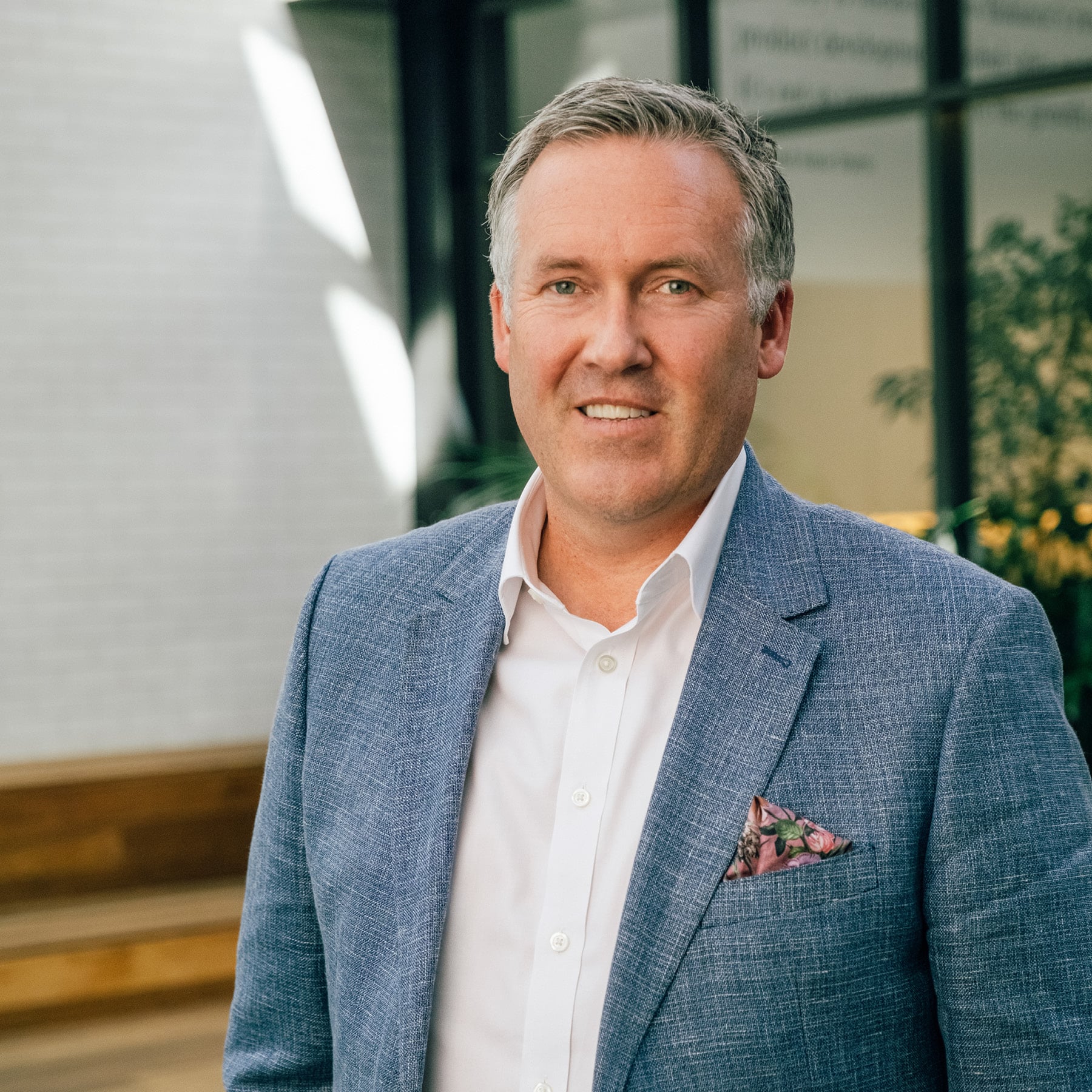
“I want Prestige to be the home care provider Australian families and hospitals think of first.”
It’s this refreshing approach that once again helped place O’Brien among the Executive of the Year finalists. This year, he is also among the winners, this time in the Healthcare category, recognition he says has come during the hardest yet most satisfying year of his career.
“I came into aged care by choice, straight after a successful private equity exit, because I wanted my commercial experience to serve something that mattered more,” he says. “To be named a finalist for a third time, and this time for work in a sector under this much pressure, tells me that choice was right.”
Though the work itself may be tough, O’Brien’s approach to his new sector is simple, as are his hopes for Prestige Inhome Care.
“I want Prestige to be the home care provider Australian families and hospitals think of first, and I want it known as the leading quality provider in the country as it grows, not just the largest,” he says.
“My goal is a business its next owner wants to keep investing in because the care is that good.”


