


If Neil Parker were to write a book about his life, he would call it A Global Nomad – a nod to his career, which has been built across a broad range of cultures, markets and operating models. As he tells The CEO Magazine, each chapter of the book would feature a new capability that he picked up along the way.
“Major Middle Eastern franchise groups with portfolios of more than 100 brands taught me the power of partnership,” he reflects.
“Tommy Hilfiger deepened my experience across Asia and emerging markets; Crocs, where I became Senior Vice President and General Manager for EMEA and then APAC, sharpened my focus on growth and future strategy; and GANT tested my ability to lead a complex turnaround.”
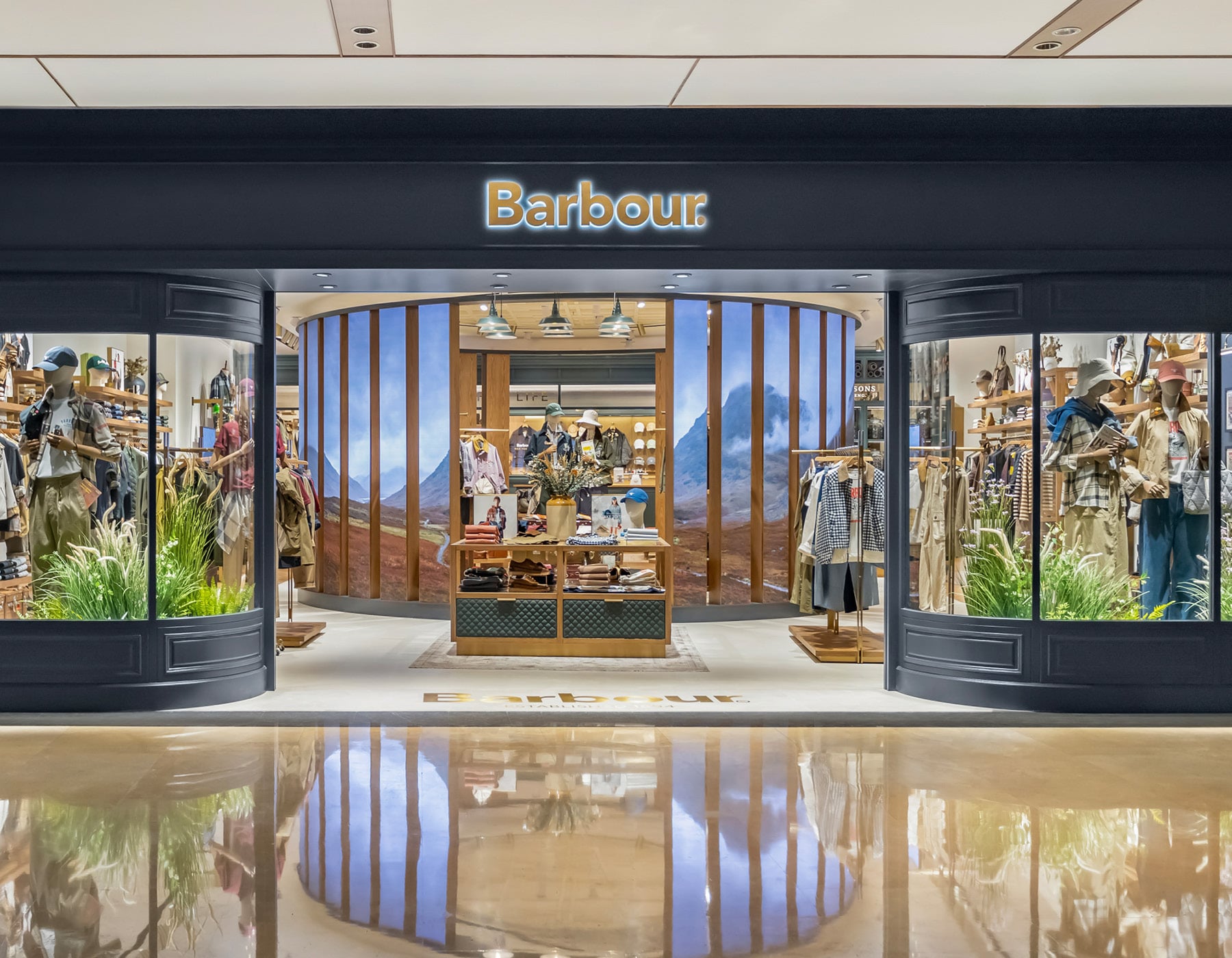
“Brands must be present in the cities and locations that shape culture, influence and demand.”
Now as Managing Director Global Partners of Barbour Asia–Pacific, Parker has been entrusted to develop a central strategy for the fifth-generation premium lifestyle brand, aligning the markets, partners, agencies and local teams behind the next chapter in the brand’s 132-year history.
“My experience has shaped a clear market thesis. In today’s fiercely competitive environment, I believe that brands must be present in the cities and locations that shape culture, influence and demand,” he says.
“They must convert that presence into relevance, engagement and a greater share of customer spending across physical retail, digital commerce and social media. Above all, they must participate credibly in the premium fashion and lifestyle landscape.”
Remaining relevant
This conviction led to the development of its Energy City strategy: a focused model for concentrating investment where Barbour can build global awareness, cultural relevance and sustainable commercial value both for the brand and its partners. Underpinning that strategy is Barbour’s 3L philosophy, the pillars of which are learn, listen and localize.
“This creates the right balance between global discipline and local relevance,” Parker explains. “Dedicated teams across Asia, Europe, the Middle East and Africa, supported by an Asia-based designer, translate that principle into decisions on expansion, marketing and product.
“As a genuine 52-week-a-year, head-to-toe lifestyle brand, we must offer a compelling wardrobe in every market – not simply export a single formula.”
Advertisement
This model is perfectly brought to life during Barbour’s Pan-Asian seasonal launch experiences, which bring markets together and are open to the public. These helped the company generate more than 3.6 billion social media impressions in the past year and achieve record sell-out rates for new collections.
Protecting the legacy
While these numbers are impressive, Parker is quick to point out that growth must be governed by stewardship. The company is currently guided by the vision of Chair Dame Margaret Barbour and her daughter Helen Barbour, who is Vice Chair.
Together with tartan specialists Kinloch Anderson in 1998, they researched and developed the distinctive family tartans for which Barbour is now known.
“Our mandate is not simply to deliver the next phase of growth, but to protect the brand for the next 130 years,” Parker stresses.
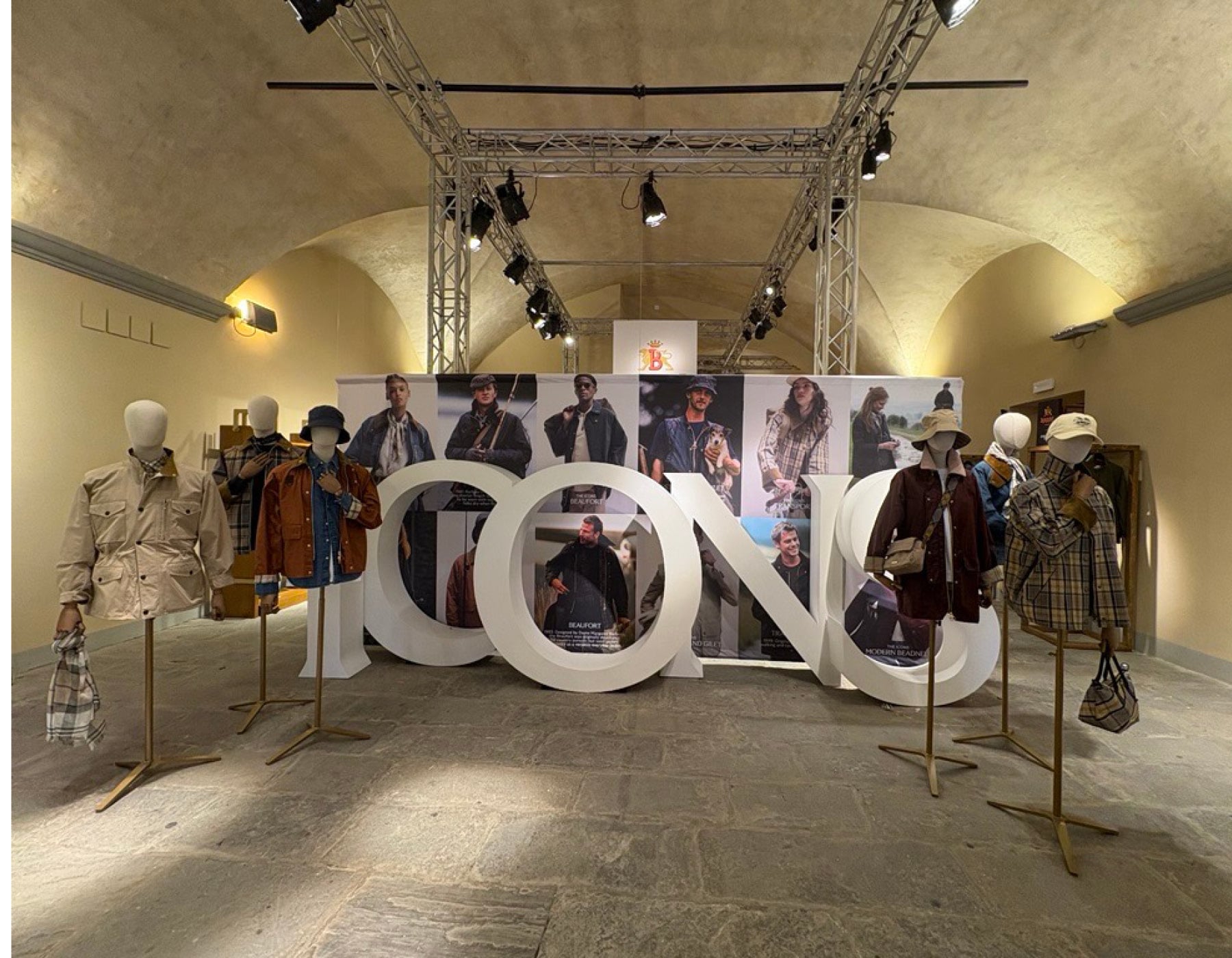
“As a genuine 52-week-a-year, head-to-toe lifestyle brand, we must offer a compelling wardrobe in every market.”
According to Parker, a large part of that is protecting Barbour’s heritage while also ensuring it remains relevant – a tricky balancing act for any well-established brand.
“We do this by combining heritage with modern execution and maintaining an ‘always on’ presence through key opinion leaders and experiential events in Asia–Pacific, festivals and local activations across Europe, providing consistent reasons for both new and existing customers to engage with us,” he says.
The company selected brand-building agency Karla Otto to oversee this mission.
“They spent a huge amount of time getting to know the brand and are a valued partner for us in major marketing events,” he explains. “We are extremely happy with their team, which now feels like part of ours.”
The next chapter
Now, Barbour’s long-term strategy rests on more than commercial growth, Parker reveals, highlighting its circularity concept, Barbour Re-loved, which extends product life and creates enduring customer value. He himself owns a couple of Re-loved jackets, including one by Paul Smith.
“We re-wax nearly 100,000 jackets a year, supported by facilities at our headquarters and a small repair, re-wax and Re-loved Atelier in Paris,” he says.
“Many wax jackets already pass through generations; by re-loving and re-waxing them, we enable our customers to extend the life of their jackets by 20 or even 30 years or more.”
Barbour aims to develop further re-waxing centers in key cities around the globe, turning its commitment to the environment into a scalable service for its customers.

“Our mandate is not simply to deliver the next phase of growth, but to protect the brand for the next 130 years.”
Another priority is capability, ensuring that the next generation can carry the brand forward.
“Young people are reshaping expectations and we want to harness that appetite for change by nurturing talent and embedding it in our future plans,” Parker says.
Together, these various initiatives form an integrated strategy designed to strengthen the company’s relevance, while simultaneously accelerating responsible growth and protecting precisely what makes Barbour distinctive.
“Our responsibility is to translate that strategy into sustained performance today and enduring value tomorrow, ensuring that Barbour enters its next 130 years stronger, more relevant and unmistakably true to its heritage,” Parker says.
“I am proud to be part of this journey, leading the most complex group of markets globally with amazing talented teams and the best partners.”


