

As President and CEO of Meralco Industrial Engineering Services Corporation (MIESCOR), Richard Ochava now helps steer projects that support the Philippines’ growing energy and infrastructure needs. But his leadership philosophy was shaped long before he assumed the role, through years spent working closely with the people, projects and operations on the company’s front line.
In the substations, the project sites, the control rooms and the construction areas that drive its success, he quickly came to understand the physical demands faced by those in the field. More than that, he saw how the consequences of decisions made higher up in the organization had very real and immediate impacts.
“Having spent my entire career in the power industry, I developed a deep appreciation for the people who build, operate and maintain critical infrastructure,” Ochava tells The CEO Magazine.
“When you work closely with frontline teams, you learn that leadership is not about giving directions from a distance. It is about understanding realities on the ground, overcoming obstacles and enabling people to succeed.”
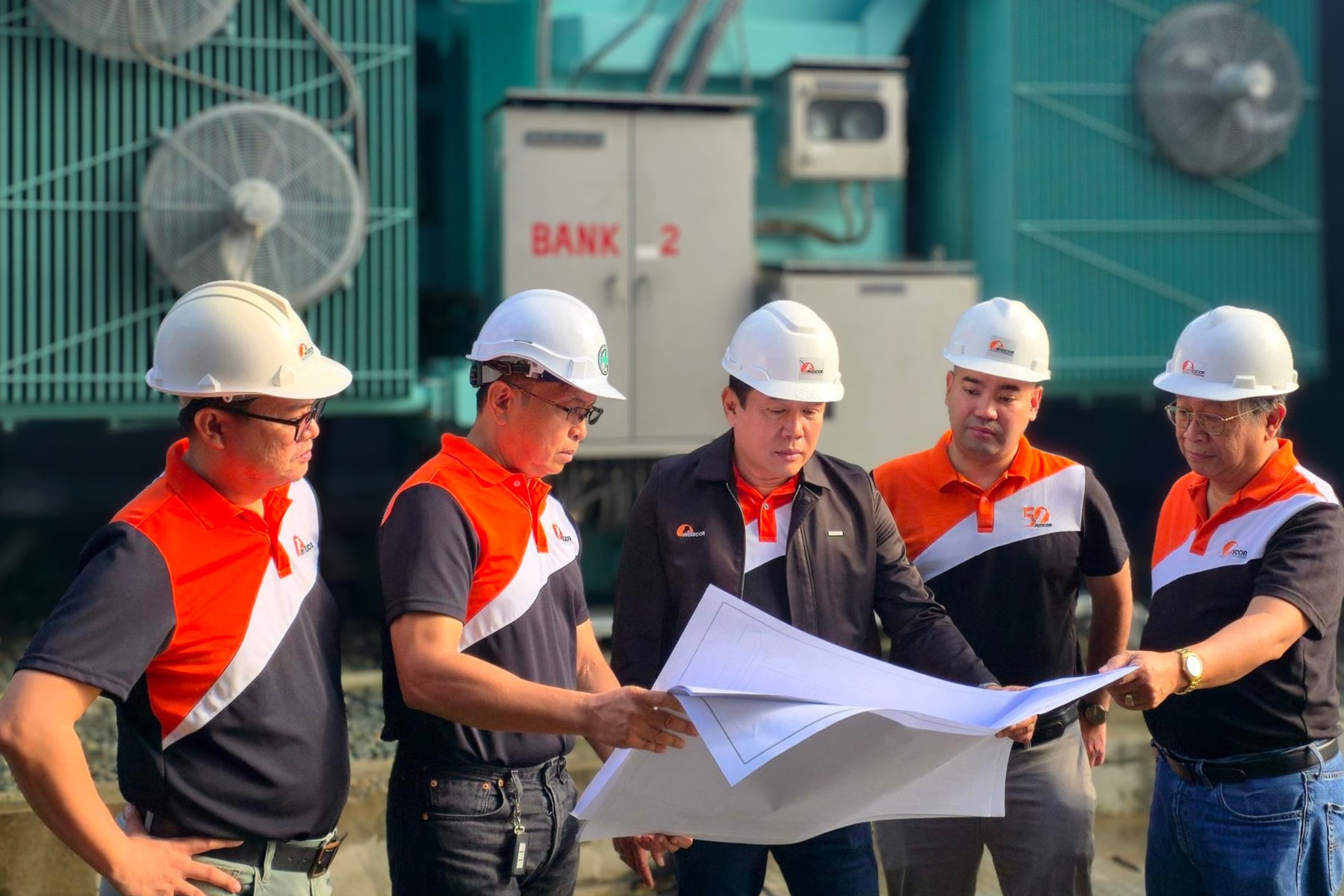

From then on, Ochava realized the importance of staying connected to the field, listening carefully to those on the front line and making decisions that were based on a powerful trifecta – technical facts, field conditions and human considerations.
“Today, as CEO, I still believe that the best solutions come from leaders who remain grounded in the realities of the business and never lose sight of the people who make the work possible,” he reflects.
This hard-earned knowledge – that the best decisions come from understanding the whole system and not just a part of it – remains one of the most important lessons of his career to this day.
“I had the opportunity to work across engineering, operations, substations, project management, contract management and other business functions,” he reveals. “Each role gave me a different perspective on how organizations create value and how decisions in one area affect outcomes in another.
“No leader has all the answers. The role of leadership is to bring together different perspectives, align people around a shared objective and move decisively toward the most suitable solutions.”
Beyond empathy
Integrity, accountability and the concept of malasakit have long been identified as central to MIESCOR’s culture.
“Malasakit means treating the company, its people and its mission as if they were your own responsibility,” Ochava explains.
“It is often associated with caring for people and that is certainly part of it. But for me, malasakit goes beyond empathy. It is about taking ownership, doing the right thing even when no-one is watching, speaking up when something can be improved and going the extra mile to protect what we have built.”
In practice, malasakit can take many forms, according to Ochava. It can be a supervisor investing time to develop a team member or a field employee ensuring that work is done safely and correctly because they understand the consequences of shortcuts. Or it could be a manager making difficult decisions that serve the long-term interests of the organization rather than short-term convenience.
“At MIESCOR, we build and operate critical infrastructure that communities and industries depend on. That responsibility requires people who do not simply perform tasks, but who genuinely care about the outcomes of their work,” he explains.
“When people have malasakit, they act not because they are instructed to do so, but because they feel accountable for the success of the organization and the people it serves.”
Leading by example
Ochava firmly believes that as an organization grows, its culture cannot simply be written in policies. Instead, it must be demonstrated consistently by its leaders.
“Our people observe what leaders do more than what they say,” he points out. “That is why I always emphasize leading by example. When employees see leaders acting with integrity, taking accountability and demonstrating malasakit, those values become embedded in everyday behavior.
“Culture is sustained through consistent actions, especially during challenging situations.”
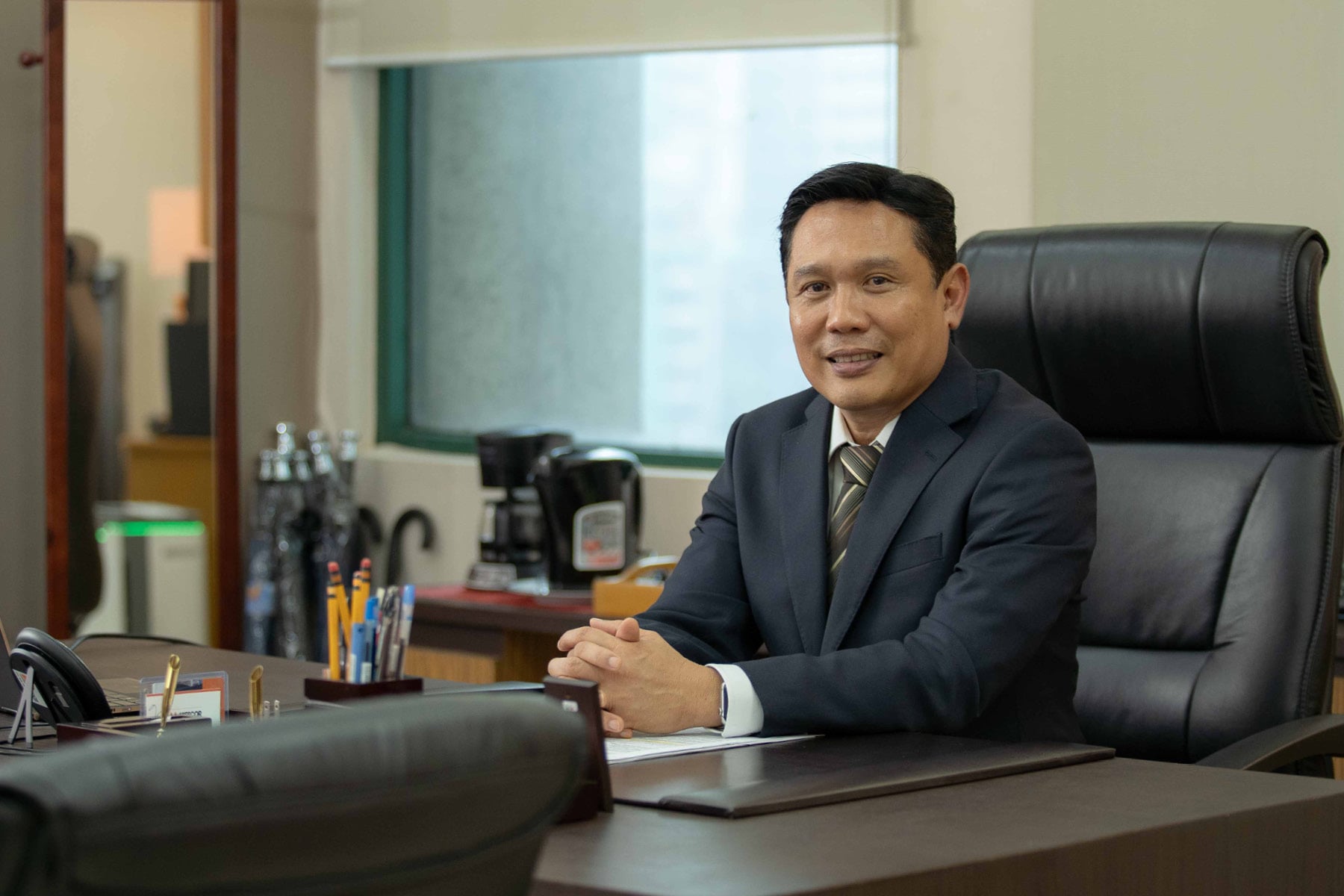

Trust is therefore a large part of the ecosystem, alongside safety and accountability – all built through equal emphasis on consistency, transparency and competency.
“People gain confidence in leaders when they see that commitments are honored, difficult conversations are handled honestly and decisions are made responsibly,” Ochava says.
“This becomes even more important during complex projects where challenges and uncertainties are inevitable. I believe stakeholders appreciate leaders who communicate clearly, acknowledge realities and remain accountable for outcomes.
“At the same time, technical credibility matters. Stakeholders want assurance that decisions are based on sound judgment and a thorough understanding of the issues.”
Earning trust
As far as his own actions are concerned, Ochava strives to actively listen, engage stakeholders early in the decision-making process and then focus on finding solutions that create shared value.
“Trust is earned over time through actions, and once earned, it becomes one’s strongest asset,” he says.
The same principle extends to MIESCOR’s partnerships. The company works with organizations that have earned its trust through proven performance, shared values and a commitment to quality, including industry leaders.
Over the past five decades, MIESCOR has played a critical role in many of the country’s most significant infrastructure developments. From the Bataan Nuclear Power Plant in the 1980s to the ongoing MTerra Solar Project, the company has continuously evolved alongside the Philippines’ changing energy landscape. The projects may differ in scale, technology and purpose, but they reflect the same commitment to helping build the infrastructure that powers national progress.
“But we also recognize that experience alone is not enough,” Ochava admits. “The infrastructure sector is evolving rapidly and so should we.”
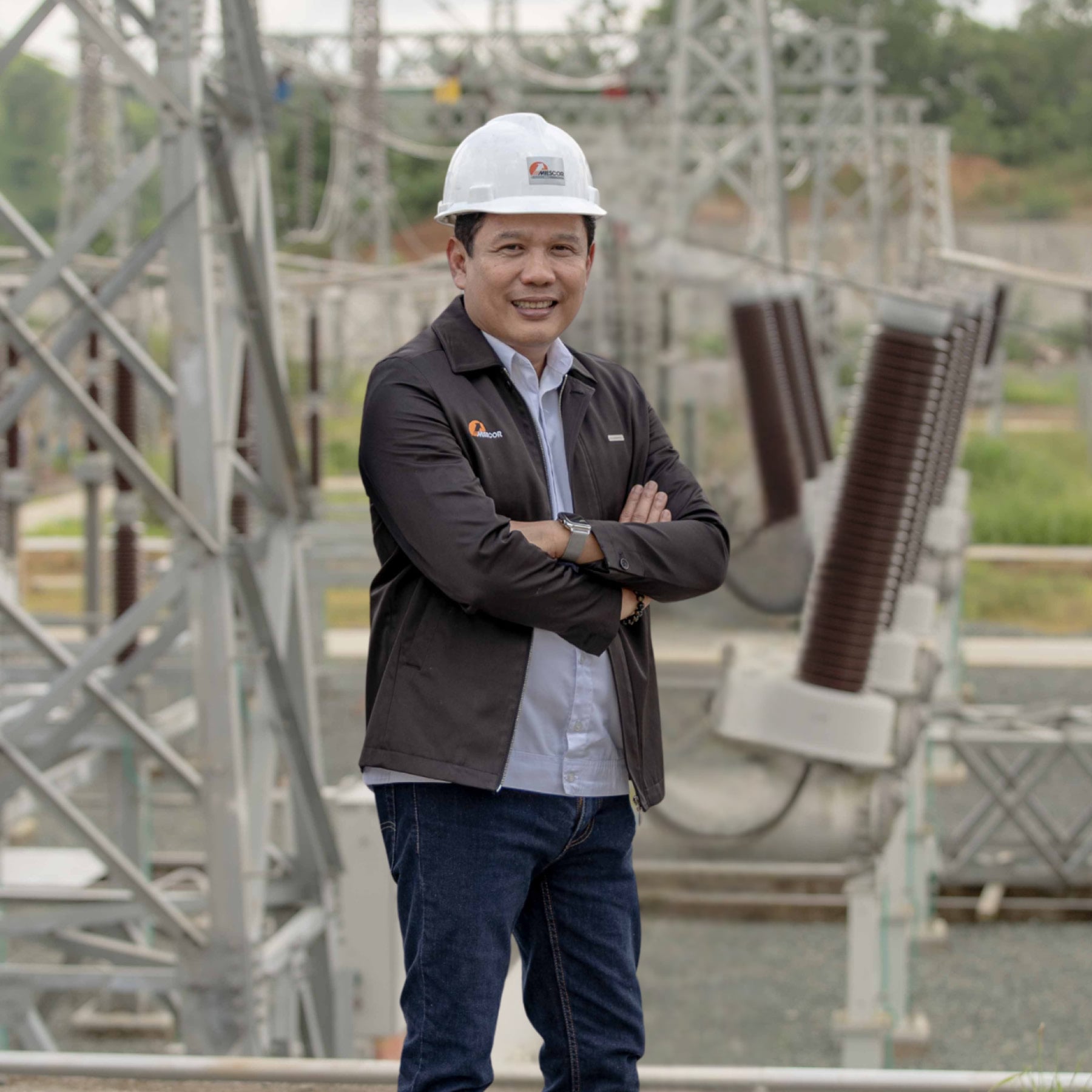

Today’s projects demand greater efficiency, higher reliability, stronger safety performance and faster delivery timelines. In order to meet these heightened expectations, the company must combine the technical discipline and engineering excellence that have defined it for so long, with new technologies, stronger capabilities and increasingly data-driven ways of working.
“We are integrating digital tools, advanced project management approaches and modern construction practices to improve planning, design, execution, quality and asset management,” Ochava says. “These enable us to identify risks earlier, make better decisions and deliver projects more efficiently and safely.”
At the same time, MIESCOR is expanding its capabilities in areas that promise to shape the country’s future, including renewable energy, grid interconnection, transmission and substations, telecommunications and digital infrastructure.
“As the Philippines accelerates its energy transition and infrastructure development, we want to be at the forefront of enabling that progress,” Ochava stresses.
This means adopting an approach toward innovation that transcends mere technological advances and instead harnesses the latest tech along with the experience and expertise of its people to achieve better outcomes.
“The goal is to enhance safety, strengthen quality, improve reliability and deliver greater value to our clients and the communities we serve,” he says.
“Ultimately, our approach is to combine the lessons of the past with the possibilities of the future, preserving the values and expertise that have earned MIESCOR the trust of its stakeholders for five decades while continuously innovating to deliver infrastructure that is safer, smarter, more reliable and future-ready.”


